
Katherine Arena
University of Groningen
My PhD project explores the multi-level governance of the twin transition by focusing particularly on the role of transnational city networks as sites and actors of policy co-creation within the European Union. Using a comparative study of two EU-based city networks, the research will investigate the functioning of EU MLG in these contexts. It will analyze both real and potential instances of co-creation to identify challenges and solutions.

Eva Chavand
University of Groningen
I am a PhD candidate in the Chair Group ‘European Politics and Society’ at the University of Groningen. My research focuses on the dynamics and drivers of discourses regarding minorities, especially Sinti and Roma, at local, national, and EU level. I am particularly interested in the interplay between party strategies, public attention, and policymaking. Across Europe, Sinti and Roma experience diverse social, economic, and political conditions, which shape both their representation and the ways they are discussed in political and public discourse. To analyze these dynamics, I combine qualitative and quantitative methods to contribute to research on minority politics and multi-level governance in the EU.

Cecile Ikink
Erasmus University Rotterdam
My PhD project focuses on healthy living environments and the usage of green space in Rotterdam South. Research has shown that a feeling of ownership and connection towards green spaces increases residents’ active use of those spaces. However, these feelings are unequally distributed between citizens, resulting in an uneven distribution of the positive benefits that are connected to the use of green space. Using a participatory and design focused, action-oriented research approach, this project aims to explore the concept of ownership in this context, and through the development of socio-spatial interventions together with citizens, understand its role in the usage of green space and how to design and govern with ownership in mind.

Rebecca Spruijt
Erasmus University Rotterdam
Rebecca Spruijt (MSc) is a PhD candidate at Erasmus University Rotterdam. Her research subject is the digital welfare state, especially the intersection of digitalization, personalized services and street-level bureaucracy. Her background is in political science (BSc) and sociology (MSc) and before she started her PhD, she has worked for three years as a consultant on the digital transformation in the welfare state.
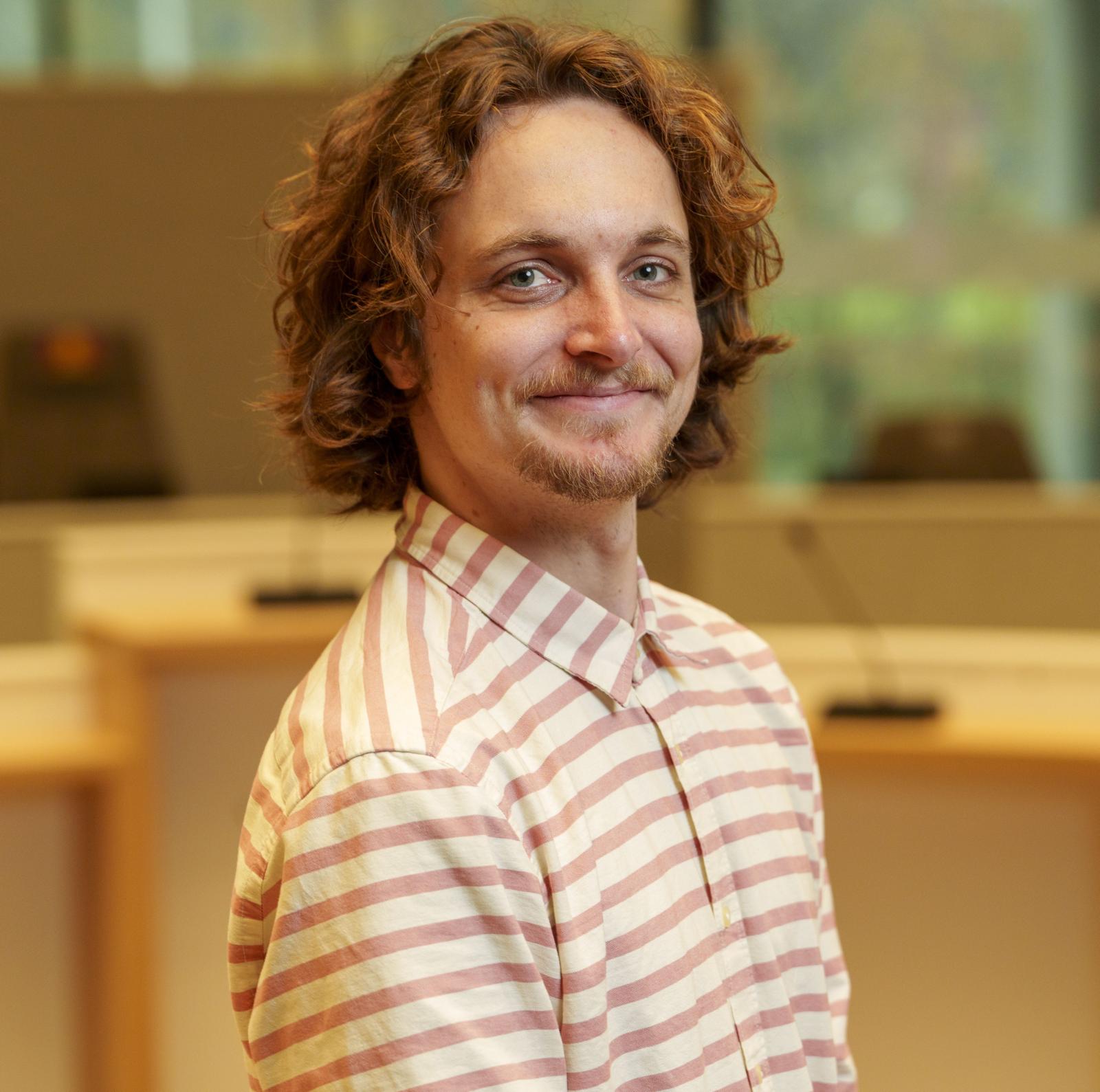
Daan Kwant
Radboud University
Daan Kwant is a PhD candidate at Radboud University working on two Horizon Europe projects: 'WISESHIFT' (Empowering Work Integration Social Enterprises for Inclusive and Sustainable Transitions), which focuses on the transformative aspect of WISEs within the social economy with the aim of strengthening the EU social economy strategy, and 'RADAR' (Renewing Administration through Democratic Anchorage Reforms) which aims at strengthening democratic legitimacy by looking at new forms of policy making and public governance. After a bachelor's degree in Interdisciplinary Social Sciences and a master's degree in International Relations, he taught for four years at the University of Amsterdam at the bachelor Interdisciplinary Social Sciences.

Cas Polman
Radboud University
I am a PhD candidate at the Department of Public Administration at Radboud University Nijmegen. My research focuses on the governance and management of municipally owned corporations (MOCs). The project examines how multiple institutional logics coexist and interact within these hybrid organizations at different levels of analysis. In addition, it explores governance challenges related to goal ambiguity among owner-municipalities and issues of (political) representation within MOC boards.

Joëlle Hulshoff
Tilburg University
My research focuses on legitimacy and fragmentation in municipal network cooperations. Currently, many different (semi-)private organizations are involved with the delivery of public goods. I will do ethnographic research in Tilburg to see how these organizations and the municipality cooperate and navigate their policies. Moreover, I will also address citizen participation in these network cooperations as this is perceived to (possibly) increase the legitimacy and adequacy of policies.

Atharv Dhiman
University of Groningen
I am a Doctoral Researcher at the Department of International Relations and International Organisations at the University of Groningen. I am working under the broader theme of 'micro and macro level dynamics of political violence'. In that regard, I am primarily looking at two inter-dependent questions: (1) How does social inclusion foster inter-group competition and violence? and (2) How do states use inclusionary policies strategically to transform landscapes of violence? I am studying these issues comparatively, making use of surveys and experiments to investigate how inclusion can be made more equitable and prevent further violence.
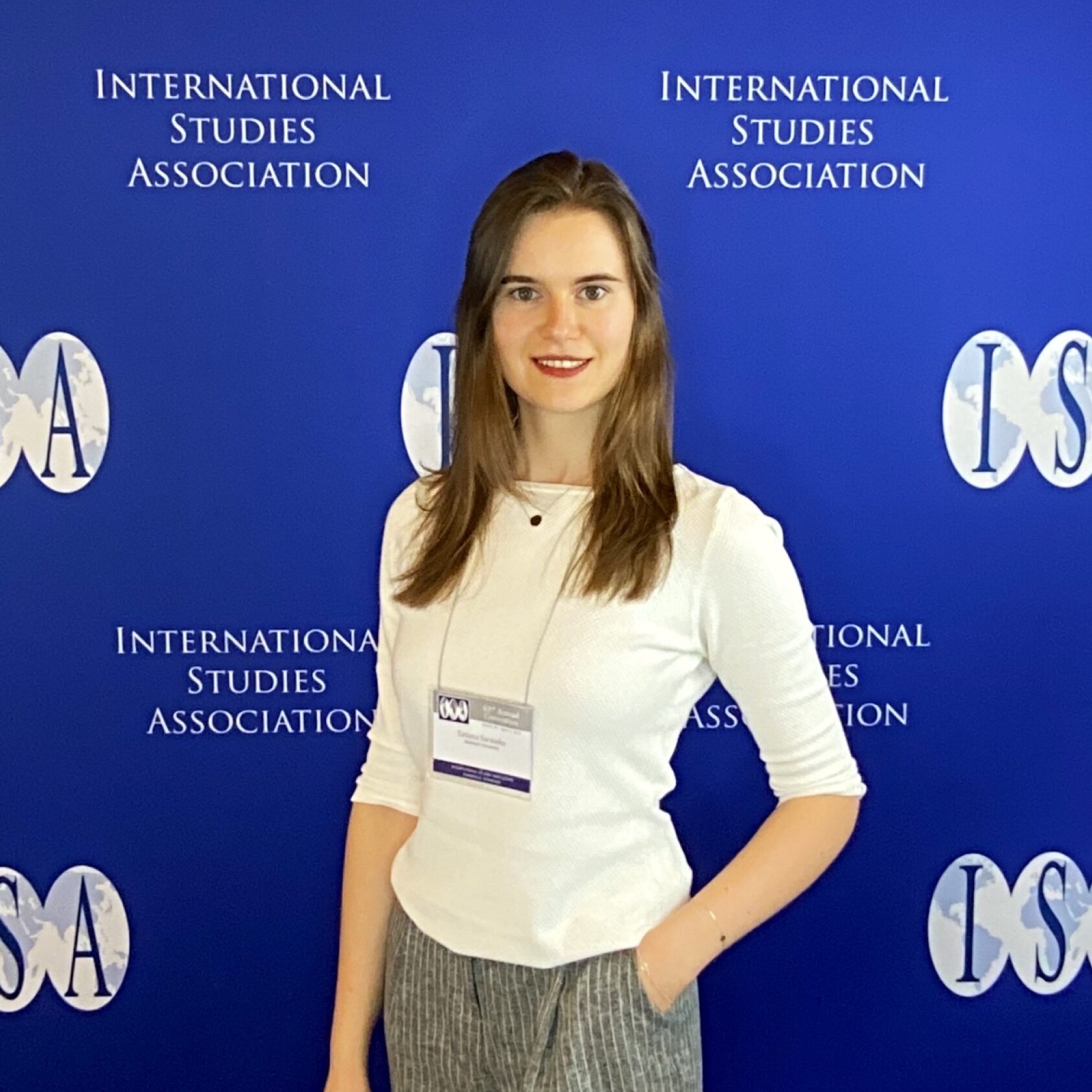
Tatiana Saraseko
University of Groningen
Tatiana Saraseko is a doctoral researcher at the University of Groningen, specializing in sustainable urban development and global urban cooperation. Her research focuses on the agency of transnational municipal networks (TMNs) in climate change and energy transition within the European Union (EU) and the United Nations (UN). She examines TMNs’ strategies, institutional opportunities and constraints, and policy outcomes, highlighting their institutionalized yet rigid role within the EU compared to their more flexible but less institutionalized role at the UN.
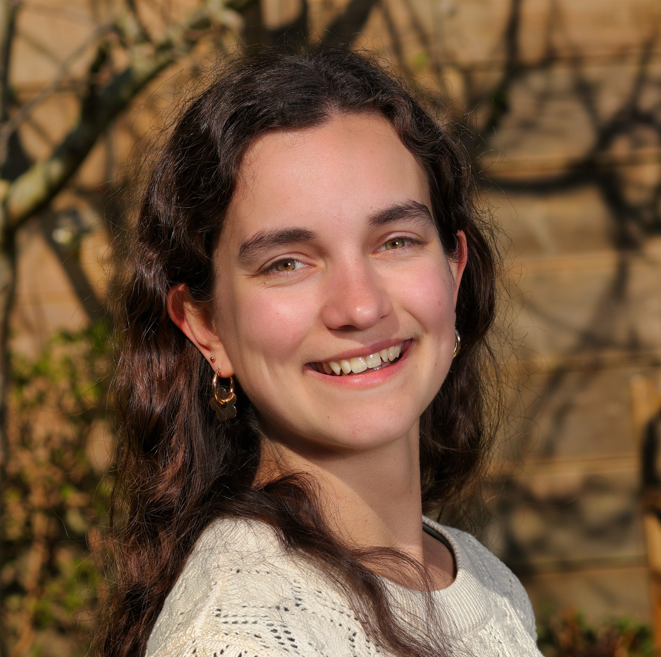
Emma Höngens
Eindhoven University of Technology
I am a PhD candidate at the Technology, Innovation & Society group at Eindhoven University of Technology, working on the NWO project EmPowerED (Enabling Positive Energy Districts through citizen-centered socio-technical models for upscaling of the heat transition). My research focuses on challenges municipalities face in policymaking and decision-making related to the heat transition. This project aims to generate both theoretical insights – through an integrated lens of transition studies, governance, and other research fields -and an empirical understanding of how municipalities in the Netherlands respond to the heat decarbonization challenge.
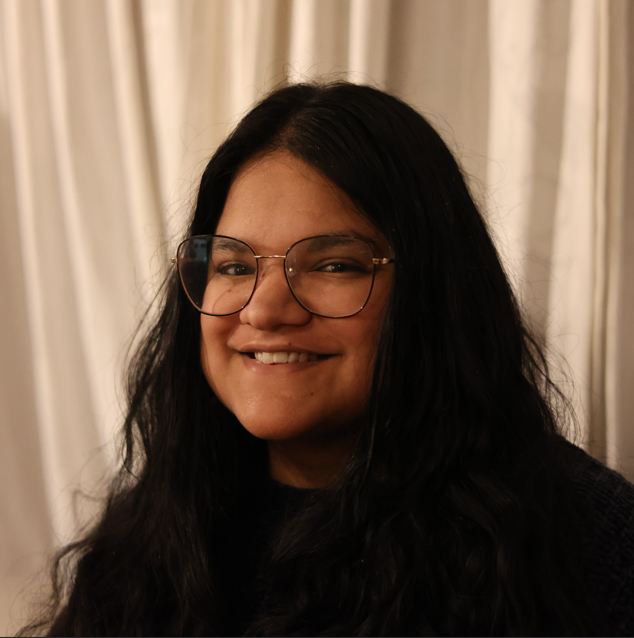
Shira Huizing Lemstra
Delft University of Technology
Although the Netherlands is globally known for its flood protection, its governance structures for drought are far less developed. My research addresses this gap by examining how different societies, ranging from ancient Mesopotamia to modern day Australia, allocate scarce water resources. I aim to combines these comparative insights with legal-philosophical theories of justice and legitimacy to articulate principles that can guide equitable water allocation in Dutch cities. I am a PhD candidate in the NWO-funded Thirsty Cities consortium, a national research collaboration dedicated to preparing Dutch cities for a future of increasing drought and water scarcity. Within the consortium, my work focuses on the governance dimension of drought: how municipalities and water authorities can make fair, transparent, and coordinated decisions when water becomes scarce. Working closely with Thirsty Cities partners, including municipalities, water boards, and technical work packages, I aim to contribute to the co-creation of practical governance tools and decision-support frameworks. My work aims to translate historical, international, and normative insights into actionable strategies that can strengthen drought resilience across the Netherlands.

Mariana Astengo
University of Groningen
Mariana Astengo Macías is a PhD candidate at the University of Groningen. Her research area is in Polycentric Artificial Intelligence (AI) Governance and International Politics, with a particular focus on AI data centers in the Majority World. She is interested in how global power asymmetries and infrastructure development shape the governance of AI. Her work draws on insights from International Relations, International Political Economy, and Critical Technology Studies. She holds an LLM in International Law of Global Security, Peace and Development, with a specialization in human rights, and a BA in International Relations.